Hidden cleaning charges Pratts Bottom what to know before you book
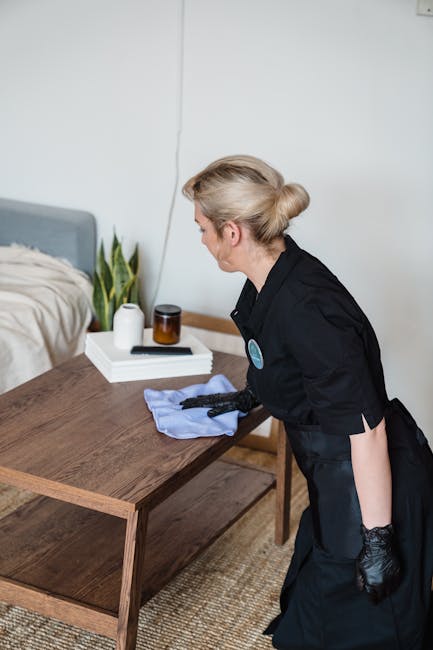
If you are comparing carpet or upholstery cleaners in Pratts Bottom, the price you see first is not always the price you end up paying. That is the simple truth behind Hidden cleaning charges Pratts Bottom what to know before you book. Extra fees can appear for things like heavy staining, awkward access, parking, minimum order values, or "specialist" treatments that were never clearly explained. And yes, it can be annoying. Nobody likes a bill that grows legs at the end.
This guide breaks down the charge patterns people most often miss, how to spot them early, and what to ask before you confirm a booking. It also explains the practical side of comparing quotes in a fair way, so you can judge value without getting caught out by vague pricing. If you want a cleaner comparison before you book, the company's own pricing and quotes information is a sensible place to start.
By the end, you should feel much clearer about what is included, what is optional, and what should be written down before anyone turns up with equipment in the back of a van.
Why Hidden cleaning charges Pratts Bottom what to know before you book Matters
Hidden charges matter because cleaning jobs are often sold on trust. Most customers are not specialists in stain types, fibre protection, drying methods, or access requirements. You are relying on the cleaner to describe the job honestly and clearly. That is fair enough. But when a quote is too vague, the risk of disagreement rises fast.
In a local setting like Pratts Bottom, this tends to show up in practical ways rather than dramatic ones. A hallway might be narrower than expected. A parked van might need a permit or a longer carry distance. A rug could be wool, not synthetic. A sofa might need more careful treatment because of delicate fabric. Each of those things may be legitimate to price differently, but only if the customer knows beforehand.
The biggest issue is not always the fee itself. It is the surprise. If a cleaner adds costs at the door, you have very little room to compare alternatives or decide whether the job is still worthwhile. That is why understanding fee structures before booking is such a useful habit. It saves money, yes, but it also saves stress. Truth be told, that matters just as much.
Expert summary: a fair cleaning quote should explain exactly what is included, what could change the price, and when any extra charge would apply. If it does not, ask before you book.
How Hidden cleaning charges Pratts Bottom what to know before you book Works
Hidden cleaning charges usually appear in one of four ways. Sometimes they are written in the small print. Sometimes they are mentioned only after the cleaner sees the property. Sometimes the base price is low on purpose, with add-ons expected later. And sometimes the job genuinely changes once the cleaner starts, which can happen if the stain is deeper than it looked or if extra furniture needs moving.
Here is the typical pattern:
- A base price is advertised. This might be per room, per item, or per area.
- Extra conditions are identified. Examples include severe staining, pet odour treatment, stain protection, deep pile fibres, or difficult access.
- The final price is adjusted. A responsible company should explain the reason and get agreement before proceeding.
That last point is the key one. A proper quote is not just a number; it is a description of the work. If a cleaner only gives you a rough headline rate, you may not know whether the quote covers carpet cleaning, upholstery cleaning, stain work, or post-treatment care. And if you are booking more than one service, the details matter even more.
Another thing people miss is the difference between a genuine extra and a disguised upsell. For example, a deep stain may really need specialist treatment. That is legitimate. But a basic refresh should not suddenly become a "premium treatment" without explanation. Ask what exactly the extra product or process does, and whether it is optional. Simple question, big payoff.
When the quote is clear, the process feels calm. When it is unclear, every step becomes a little awkward. Nobody needs that on a weekday morning with a kettle boiling in the background.
Key Benefits and Practical Advantages
Understanding hidden charges is not just about avoiding a bad deal. It also helps you make a smarter choice overall. Once you know where extra costs tend to appear, you can compare companies on the same basis instead of comparing apples with pears.
- Better budgeting: you can set a realistic spending range before anyone arrives.
- Cleaner comparisons: one quote can be measured fairly against another.
- Less pressure on the day: fewer awkward conversations at the doorstep.
- Better job matching: you can choose the right service for carpets, sofas, mattresses, or rugs.
- More trust: transparent pricing usually signals a more organised business.
There is also a practical service-quality benefit. Companies that are clear about pricing often tend to be clearer about process too. They explain drying times, fabric risks, stain limitations, and what results are realistic. That is helpful because not every mark can be fully removed, and a good cleaner should be honest about that from the start. If you want to understand service scope more fully, it helps to look at related pages such as stain removal or pet stain and odour removal.
For commercial customers, predictability matters even more. A small business cannot always absorb surprise charges easily, especially if multiple rooms or office areas need attention. In that situation, checking the company's commercial carpet cleaning approach and quote process is a smart move.
Who This Is For and When It Makes Sense
Honestly, this topic applies to almost anyone booking a cleaning service, but some people need to be especially careful.
You should pay close attention if you are:
- booking for the first time and do not yet know the usual pricing pattern
- comparing several cleaners and want a fair like-for-like view
- booking a property with stairs, awkward access, or limited parking
- dealing with pet stains, strong odours, or old marks
- getting a cleaner for delicate items like rugs, curtains, or sofas
- managing a rental move-out or end-of-tenancy clean
- arranging cleaning for a workplace where invoices need to be predictable
It also makes sense if you have had a surprise bill before. Maybe a "standard clean" became a "deep clean" the moment the cleaner saw the carpet. Maybe you were told parking would be extra, but only after the job. These experiences make people wary, and fair enough. Once bitten, as they say.
Some customers also want to know whether specialist items should be quoted separately. Usually, yes. A mattress, a rug, a sofa, and fitted carpet are different jobs with different risk levels. You can see that reflected across services like mattress cleaning, rug cleaning, sofa cleaning, and curtain cleaning.
Step-by-Step Guidance
Here is the cleanest way to avoid hidden cleaning charges before you book. Not glamorous, but it works.
- Ask what the base quote includes. Is it for one room, one item, or a set area? Does it include vacuuming, pre-treatment, and drying advice?
- List the awkward bits upfront. Mention stains, pets, stairs, parking issues, special fabrics, or access restrictions before the cleaner visits.
- Ask about common extras. Good questions include: stain protection, deodorising, heavy soil removal, minimum charges, out-of-hours visits, and travel or parking costs.
- Confirm the price trigger. If the cleaner thinks the job has changed, what must happen before the price changes? Ask for agreement first.
- Request written confirmation. A short email or message can prevent confusion later. It does not need to be fancy.
- Check payment terms. Find out when payment is due, what methods are accepted, and whether deposits apply. You can review the business's payment and security information if that is a concern.
- Read the service terms. Terms matter because they explain cancellations, re-visits, and what happens if the result is limited by fabric condition or pre-existing damage. The company's terms and conditions should make that clearer.
If you like to be especially organised, keep one little note on your phone with room counts, item types, and any stains you have noticed. It sounds a bit over the top, but it saves a lot of back-and-forth. I have seen that tiny habit stop a pricing dispute before it even started.
Expert Tips for Better Results
These are the things that make the biggest difference in real bookings, especially when the price seems "too good".
- Do not compare headlines only. A cheaper quote may exclude stain pre-treatment, deodoriser, or furniture moving.
- Photograph problem areas. Clear photos help the cleaner quote more accurately and reduce misunderstandings.
- Ask what is classed as heavy soiling. That phrase can mean different things from one company to the next.
- Be honest about pets and spills. A cleaner can only price fairly if they know what they are walking into.
- Check whether access affects the job. Long carries, top-floor flats, or difficult parking can change the time and cost.
- Focus on outcomes, not just the cheapest price. A cheap service that leaves residue, smell, or patchy results is not really cheap at all.
One more thing: if a company is crystal clear about its approach to health, safety, and insurance, that is usually a good sign. You do not want to be the person wondering whether a wet staircase, a fragile rug, or a delayed drying time was properly considered. The company's health and safety policy and insurance and safety information can tell you a lot about how seriously they take the job.
And yes, a little common sense helps too. If a quote arrives by text in two lines and looks suspiciously neat, ask questions. Prices are not mysterious spells. They should be explainable.
Common Mistakes to Avoid
Most surprise charges happen because the booking conversation was too thin. That is the bit people kick themselves over later.
- Not describing the job fully. If you forget to mention pet odour, old spills, or access issues, the price may change later.
- Assuming all cleaners define "standard clean" the same way. They do not.
- Skipping the terms. It is not thrilling reading, but it does matter.
- Ignoring minimum charges. A small job can still be subject to a minimum booking amount.
- Forgetting about add-ons. Stain protection, deodorising, or extra treatment can be useful, but only if you choose them knowingly.
- Failing to ask about exclusions. Some marks cannot be removed completely, and some fabrics need cautious handling.
A very common one is this: a customer asks for "the carpet cleaned" and the cleaner assumes a standard refresh, while the customer expects deep stain work as well. Same phrase, different minds. That is where trouble starts.
Another mistake is treating every extra charge as unfair. Not always. Sometimes the cleaner is simply pricing the real labour and product use involved. The trick is to separate legitimate additions from vague or unexplained ones.
Tools, Resources and Recommendations
You do not need special software to avoid hidden charges, thankfully. A few simple tools and resources are usually enough.
- Your phone camera: use it to photograph stains, room size, and access issues before booking.
- A short written brief: jot down rooms, items, and any special concerns so you can share them quickly.
- A comparison list: compare what each cleaner includes, not just the headline price.
- The company quote page: this helps you check whether the booking route and pricing process are explained clearly. See pricing and quotes.
- Service pages: use them to understand whether you need carpet, rug, sofa, upholstery, or specialist stain treatment.
If sustainability matters to you, that can also form part of the decision. The cleaner's recycling and sustainability information may help you understand how waste, products, and working methods are handled.
For privacy-conscious customers, it is also worth looking at the company's privacy policy. That is especially relevant if you are sending photos, access notes, or contact details through an online form. Not the most exciting part of booking, I know, but still worth a glance.
Law, Compliance, Standards, or Best Practice
Pricing transparency is not just a courtesy issue. In the UK, businesses are generally expected to describe services clearly and avoid misleading pricing practices. You do not need to be a legal expert to benefit from that principle; you just need to know what to look for. The practical test is simple: would a reasonable customer understand what they are agreeing to?
Best practice in cleaning services usually includes:
- clear scope of work before arrival
- plain-language explanation of extras
- agreement before additional charges are added
- basic care around health, safety, and property protection
- fair treatment of complaints or service concerns
If a provider has a transparent complaints route, that is a useful sign too. A proper complaints procedure gives you somewhere to go if something was not explained properly. Likewise, solid booking terms can help prevent misunderstandings before they happen. The goal is not legal drama; it is just clarity.
For commercial customers, it is sensible to make sure the pricing and service agreement works for invoicing and internal approval. Public-facing clarity, written confirmation, and predictable scope matter a lot more once more than one person signs off the job.
Options, Methods, or Comparison Table
When you book cleaning, the biggest pricing differences usually come from how the job is defined. Here is a simple comparison to help you spot where hidden charges can creep in.
| Booking approach | What it usually includes | Risk of hidden charges | Best for |
|---|---|---|---|
| Headline price only | A basic stated rate with little detail | High | Quick comparisons, but risky if details are vague |
| Itemised quote | Cleaner explains each item or room and likely extras | Lower | Most home and office bookings |
| Survey or photo-based estimate | Quote based on images or an inspection of the job | Low to moderate | Stains, awkward access, or higher-value items |
| Bundle package | Several services grouped together at one price | Moderate | Multiple rooms or mixed items, if the bundle is clearly defined |
For most people, an itemised or clearly explained quote is the safest option. If you need more than one service, a bundle can be good value, but only if the inclusions are written down. A sofa, a rug, and a hallway carpet are not interchangeable, despite what some brochures might imply.
Case Study or Real-World Example
A family in a typical Pratts Bottom home booked what they thought was a straightforward carpet clean for two rooms and a small hallway. Nothing dramatic. Just a bit of wear, a few dark patches near the door, and one faint pet smell from an older stain.
Before booking, they sent photos and mentioned that the hallway had limited access because of a parked car situation and a narrow side path. That detail mattered. The cleaner explained that there might be a small access-related adjustment if carrying equipment took extra time, and also clarified that the pet odour treatment would be priced separately from the standard carpet clean.
Because that was discussed in advance, there was no argument later. The customers could decide whether the extra odour treatment was worth it before the appointment. They agreed to it, and the final bill matched the agreed scope. No awkward surprise. No "I thought that was included." Just a clear booking and a tidy result.
That sort of thing sounds small, but it is exactly how good bookings should feel. Calm. Predictable. Almost boring, in the best way.
Practical Checklist
Use this before you book. It takes two minutes and can save a lot of hassle.
- Do I know exactly what is included in the base price?
- Have I mentioned stains, pets, odours, access issues, and parking concerns?
- Did I ask about extra charges for heavy soiling or specialist treatment?
- Have I checked whether the job is priced per room, per item, or per area?
- Do I understand cancellation, delay, or minimum-charge terms?
- Is the payment method clear and secure?
- Have I received written confirmation of the agreed scope?
- Do I know where to raise a concern if the work is not as expected?
If you can tick most of those off, you are in a much safer position. Not perfect, perhaps, but safely informed. That is usually enough.
Get a free quote today and see how much you can save.
Conclusion
Hidden cleaning charges are rarely about one giant scam. More often, they come from vague wording, incomplete descriptions, and assumptions on both sides. The fix is refreshingly ordinary: ask clear questions, share full details, and get the scope in writing before the job starts.
Whether you are booking carpet cleaning, upholstery care, a rug refresh, or specialist stain work, the same principle applies. A fair quote should make sense to a normal person, not just someone who already knows the trade. If it feels fuzzy, slow down a bit and ask again.
That small pause can save money, but more importantly, it gives you confidence. And that is worth quite a lot.
Frequently Asked Questions
What are hidden cleaning charges in simple terms?
They are extra costs that were not clearly explained before booking. These may include stain treatment, difficult access, parking-related charges, minimum booking amounts, or specialist care for certain fabrics or items.
How do I know if a cleaning quote is fair?
A fair quote should explain what is included, what is excluded, and what could change the price. If the cleaner cannot explain the difference between a base price and an add-on, ask for more detail before you agree.
Should stain removal always be included?
No, not always. Stain removal can require extra products, time, or testing, especially if the mark is old or has already been treated. It should be discussed separately unless the cleaner clearly says it is included.
Can a cleaner charge more after arriving at my property?
Sometimes yes, if the job turns out to be materially different from what was described. But that should be explained clearly, and you should be asked to agree before extra work starts. Surprise price changes are a red flag.
What details should I tell a cleaner before they quote?
Mention the type of item or room, visible stains, pet odours, access issues, parking limitations, delicate materials, and whether furniture needs moving. The more accurate the description, the less likely you are to get a pricing surprise.
Is the cheapest cleaning quote usually the best value?
Not necessarily. A low headline price can leave out things you actually need, like pre-treatment or specialist stain work. Best value is usually the quote that is clearest about what you are getting, not just the one with the smallest number.
Do I need written confirmation before booking?
It is a very good idea. A short written message or email can confirm the price, scope, and any extras. That simple step helps prevent misunderstandings later, especially if the job is more complex than it first appears.
Are parking or access fees common?
They can be, particularly where parking is limited, carry distances are long, or access is awkward. Not every cleaner charges for this, but if they do, it should be mentioned early and not slipped in at the end.
What should I do if I think I have been overcharged?
First, review the quote, the written confirmation, and the service terms. Then raise the issue calmly with the cleaner or company using their complaints route. If the charge was not clearly explained, you have a reasonable basis to question it.
Can I avoid hidden charges completely?
In most cases, you can reduce the risk a lot, but not eliminate it entirely. Jobs can change once a cleaner sees the condition of the fabric or carpet. Still, full disclosure and written agreement usually keep surprises to a minimum.
Does this advice apply to sofas, rugs, and mattresses too?
Yes. In fact, it matters even more for specialist items because the cleaning method, fabric risk, and stain condition can vary a lot. The pages for sofa cleaning, rug cleaning, and mattress cleaning are useful starting points when you are comparing options.
What if the cleaner's terms are too vague to understand?
Ask for a clearer explanation before booking. If they still cannot define the scope, the price, and the possible extras in plain English, that is a warning sign. Clear pricing should feel straightforward, not like a riddle.
Where can I check more about payment, safety, or complaints?
Look at the company's payment and security information, health and safety policy, insurance and safety details, and complaints procedure. Those pages can help you judge whether the business is organised and transparent before you commit.