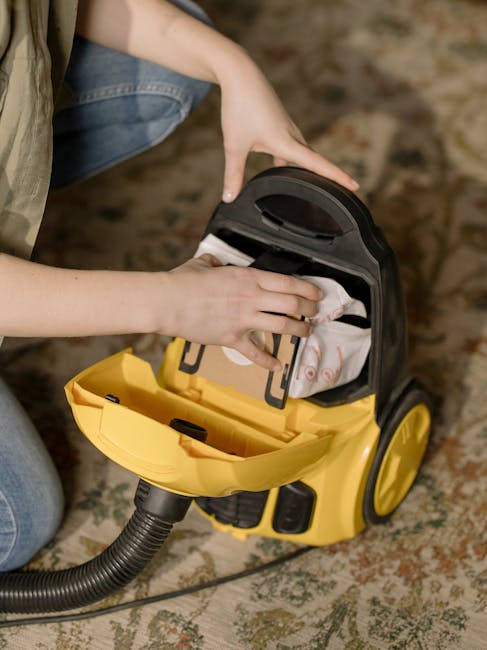
Bromley Council carpet disposal rules for Pratts Bottom cleaners
If you are arranging a carpet clean in Pratts Bottom, there is a good chance you will end up asking the awkward but very practical question: what happens to the old carpet? The answer is not always as simple as "put it out and hope for the best". Bromley Council carpet disposal rules for Pratts Bottom cleaners matter because carpet waste can be bulky, messy, and sometimes tricky to handle properly. Get it wrong, and you can create avoidable costs, delays, or a small mountain of inconvenience on a damp Tuesday morning. Get it right, and the job feels neat, compliant, and far less stressful.
This guide explains how carpet disposal usually works in a Bromley context, what cleaners and customers should check before lifting a single strip of underlay, and how to make sensible decisions around recycling, collection, and responsible removal. It is written for real-life use, not just theory.
For readers looking at broader carpet care alongside disposal, our carpet cleaning service and steam carpet cleaning pages may also be helpful when you are deciding whether a carpet can be rescued rather than replaced.
Table of Contents
- Why Bromley Council carpet disposal rules for Pratts Bottom cleaners matters
- How Bromley Council carpet disposal rules for Pratts Bottom cleaners works
- Key benefits and practical advantages
- Who this is for and when it makes sense
- Step-by-step guidance
- Expert tips for better results
- Common mistakes to avoid
- Tools, resources and recommendations
- Law, compliance, standards, or best practice
- Options, methods, or comparison table
- Case study or real-world example
- Practical checklist
- Conclusion
- Frequently asked questions
Why Bromley Council carpet disposal rules for Pratts Bottom cleaners Matters
Carpet disposal is one of those tasks that sounds simple until you are standing in a hallway with dusty rolls, backing material, and a van that is already half full. In Pratts Bottom, cleaners often deal with carpets after renovations, tenancy changes, pet damage, or hard-wearing domestic jobs where replacement is the cleaner choice. The rules around disposal matter because carpet is not the same as ordinary household rubbish. It is bulky, awkward, and often mixed with underlay, gripper rods, staples, adhesive, or nails.
For a cleaner, following the right disposal approach is about more than tidiness. It affects safety, customer confidence, and how smooth the job feels from start to finish. For a homeowner, it can be the difference between a painless room refresh and a last-minute scramble to work out where a heavy roll of old carpet can go.
There is also a practical side that people sometimes overlook. A cleaner may remove a carpet as part of a wider job, but the waste still needs to be handled responsibly. If the job involves commercial premises, shared housing, or flats, the expectations can be even tighter. Nobody wants carpet scraps left by a bin store or stuffed into a shared skip without checking whether it is allowed. That is the kind of thing that causes headaches later. Small headaches, but still.
So, in plain English, this topic matters because proper disposal protects everyone: the client, the cleaner, the neighbourhood, and the person who has to lift the thing at the end of the day.
How Bromley Council carpet disposal rules for Pratts Bottom cleaners Works
While exact council arrangements can change, the basic logic is usually straightforward. Carpet waste is often treated as bulky household waste or general waste, unless a recycling route is available and suitable. The key is to separate the useful, reusable, or recyclable parts from the contaminated or damaged material, then choose the right disposal route.
In practice, that usually means the cleaner or property owner should first identify what is being removed:
- full carpet rolls
- underlay
- offcuts and trim pieces
- adhesive-backed sections
- pet-soiled or water-damaged carpet
- fitting waste such as staples, nails, or gripper strips
Once that is clear, the next question is whether the carpet can be reused, recycled, or must be disposed of as waste. A lightly worn rug or carpet section might be suitable for reuse elsewhere, but heavily stained, wet, mould-affected, or contaminated material is usually a disposal issue rather than a reuse issue.
For cleaners working in Pratts Bottom, the most sensible process is usually to confirm disposal expectations before the job starts. That can include:
- asking who is responsible for disposal
- estimating volume and weight
- checking access for removal
- separating carpet from underlay where possible
- bagging smaller offcuts to reduce mess
- making sure sharp fixings are removed safely
That last part sounds obvious, but in real life it gets missed. A rolled carpet with a few hidden staples can leave a nasty scratch on a stair or a hand. No glamour in that at all.
If you are dealing with larger domestic jobs or ongoing property maintenance, our commercial carpet cleaning and rug cleaning pages can also help show when cleaning, restoring, or replacing a textile surface makes the most sense.
Key Benefits and Practical Advantages
Following the right disposal route is not just about staying tidy. It has real advantages, especially for local cleaners and property owners who want a straightforward job with minimal fuss.
- Cleaner worksite: fewer trip hazards, fewer loose fibres, and less dust spread across the property.
- Lower risk of complaints: neighbours, landlords, and managing agents are much happier when waste is handled properly.
- Better planning: you know whether the job needs a van run, a council collection, or a recycling option.
- Professional image: customers notice when waste is removed carefully rather than dumped in a corner.
- Reduced accidental damage: proper handling helps protect floors, walls, and stair edges.
There is another advantage that is easy to miss: better decision-making. Once cleaners understand the disposal route, they can advise customers more honestly about whether the carpet is worth salvaging. That is especially useful with expensive fitted carpets, rugs, or furniture-heavy rooms where replacement would create more disruption than necessary.
And let's be honest, nobody wants to pay for disposal twice because the first attempt was a bit improvised.
Who This Is For and When It Makes Sense
This topic is relevant to more people than you might think. It is not just for property managers with a clipboard. It matters for anyone involved in carpet removal, cleaning, or room refurbishment in the Pratts Bottom area.
You may need this guidance if you are:
- a homeowner replacing damaged carpet after cleaning or renovation
- a tenant preparing to move out and clear the room properly
- a landlord arranging end-of-tenancy works
- a cleaner removing old floor coverings as part of a broader service
- a business owner updating office or retail flooring
- a family dealing with severe pet damage, odour, or water damage
It makes sense whenever the carpet is no longer worth keeping, when disposal needs to be coordinated with cleaning, or when the waste is too bulky for ordinary household bins. It also makes sense where access is awkward. Small front steps, narrow halls, shared entrances, and parking limits can turn a simple removal into a minor puzzle.
For example, if a customer books pet stain odour removal and the carpet still cannot be saved, the cleaner may need to explain the disposal options early. That keeps expectations realistic, which is always better than a last-minute surprise. Nobody enjoys those.
Step-by-Step Guidance
Here is a practical, no-nonsense way to approach carpet disposal in a Bromley / Pratts Bottom setting.
1. Check whether the carpet can stay
Before disposal, ask the obvious question: can it be cleaned well enough to keep? In some rooms, a thorough professional clean or stain treatment is enough to extend the life of the carpet by a good margin. In others, water damage, severe wear, or persistent odour makes replacement more sensible.
2. Separate materials where possible
Carpet, underlay, and fitting waste should be separated if you can do it safely. That helps with transport, tidiness, and possible recycling routes. It also makes the job feel less like a single chaotic bundle of "stuff", which is usually where problems start.
3. Remove fittings carefully
Pull up gripper rods, take out tacks, and clear staples before rolling the carpet. Wear gloves if needed. It sounds basic because it is basic, but these small steps reduce injuries and prevent damage to vehicles and flooring.
4. Roll and secure the carpet
Tightly rolled carpet is easier to move and less likely to shed debris. Tape or tie it if needed. This is especially useful in narrow halls or shared access areas where loose fibres can leave a trail.
5. Decide on the disposal route
At this stage, choose the best option based on volume, condition, and access. That may be council collection, a private waste carrier, reuse, or a recycling route if suitable and available.
6. Document what was removed
For trade work, it is wise to keep a note of what was disposed of and where it went. That is particularly useful for landlords, commercial clients, and anyone who likes tidy records. Which, fair enough, is most people once a dispute appears.
Cleaner workflows often pair disposal planning with other services, especially where there is a full refresh of a room. Our upholstery cleaning and sofa cleaning pages are useful examples of how a whole-room reset can be planned sensibly rather than in bits and pieces.
Expert Tips for Better Results
After enough local jobs, a few practical patterns become obvious.
- Measure the waste before you start: a quick estimate of length and room count avoids underestimating van space.
- Plan around access: if the stairs are tight or parking is poor, cut and bag smaller pieces early.
- Keep wet carpet separate: damp material is heavier, more awkward, and more likely to smell if left too long.
- Protect clean areas: lay down sheets or use clean footwear when carrying waste through finished rooms.
- Work out whether underlay is worth keeping: often it is not, but sometimes only the carpet needs to go.
- Ask about recycling before disposal day: not every load is suitable, but it is worth checking rather than assuming.
A useful habit is to treat carpet disposal as part of the job plan, not an afterthought. That single shift saves a lot of panic. A cleaner who says, "We'll deal with the waste at the end somehow," is usually setting themselves up for trouble.
Also, if the carpet came from a room with strong contamination, make sure the handling is more cautious. That includes pet waste, mould, or spill damage. It is not just about smell. It is about contamination spreading to other materials in the van or on site.
Common Mistakes to Avoid
Most carpet disposal problems come from a small number of predictable mistakes. The good news? They are avoidable.
- Leaving disposal until the end: this often causes a scramble for transport or collections.
- Mixing carpet with general rubbish: that makes sorting harder and can create extra charges.
- Forgetting about underlay and fixings: the job is not finished until all the small bits are handled.
- Assuming council collections are automatic: in many areas, bulky waste still needs proper booking or checking.
- Overloading a vehicle: carpet rolls are heavier than they look, especially after cleaning or rain.
- Ignoring contamination: pet damage, pests, or mould need extra caution.
One easy-to-miss mistake is not telling the customer what disposal does and does not include. If the cleaner only removes carpet but leaves underlay in place, that should be clear from the start. Otherwise, a customer may assume the whole flooring layer is being taken away. Awkward conversation. Best avoided.
Tools, Resources and Recommendations
You do not need a giant kit, but a few simple tools make the process easier and safer.
- utility knife with spare blades
- gloves with decent grip
- dust sheets or protective coverings
- heavy-duty sacks for offcuts and debris
- tape or straps for rolled carpet
- vacuum cleaner for final debris pickup
- bin bags for fixings, staples, and trim waste
For clients who want to understand the wider service context, the most useful website pages are usually the ones tied to outcomes rather than disposal alone. Our stain removal page is a practical reference when a carpet is borderline and the choice is between saving it and removing it. Meanwhile, recycling and sustainability gives a good sense of the kind of responsible thinking that should sit behind any waste decision.
If you are comparing service levels or trying to understand the next step in a job, pricing and quotes can help set expectations before the work starts. That tends to be a relief to everyone involved.
Law, Compliance, Standards, or Best Practice
Carpet disposal should be approached with general UK waste-handling best practice in mind, even when the job is small. The details may vary by property type, council service availability, and whether the waste is household, rental, or commercial. Because of that, it is sensible not to assume that all carpet waste can be treated the same way.
From a compliance point of view, the safest habits are usually:
- keep waste streams separated where possible
- avoid fly-tipping or leaving waste outside unauthorised areas
- use appropriate handling methods for heavy or contaminated items
- check local collection arrangements before disposing of bulky waste
- ensure any contractor used for removal is suitably insured and operating safely
That insurance point matters more than people think. If a cleaner is removing carpet as part of a paid job, customers want reassurance that the work is being carried out responsibly. Our insurance and safety and health and safety policy pages show the kind of standards that should sit behind any professional cleaning or waste-handling work.
There is also a trust angle. Clear terms, transparent processes, and sensible handling of waste reduce disputes. If any part of the job is unclear, it should be agreed in advance. Simple, really. Not always easy, but simple.
Options, Methods, or Comparison Table
There are usually several ways to handle carpet disposal. The right one depends on the condition of the carpet, the amount involved, and the access available.
| Option | Best for | Pros | Limitations |
|---|---|---|---|
| Reuse or donation | Carpets or rugs still in usable condition | Reduces waste, can be cost-effective | Only suitable when clean and undamaged enough |
| Council bulky waste route | Typical household carpet disposal | Structured and familiar for many residents | May involve booking, limits, or collection rules |
| Private waste removal | Large, awkward, or time-sensitive jobs | Flexible and often quicker | Needs proper vetting and cost checks |
| Recycling route | Separated carpet materials where accepted | Better environmental outcome | Not all materials or conditions qualify |
In many ordinary Pratts Bottom jobs, the decision comes down to speed versus simplicity. A small strip from one room may be easy to manage. A whole house clearance after renovation, not so much. For bigger cleans, some customers also look at commercial carpet cleaning when they are trying to extend the life of floorcoverings instead of replacing them too soon.
Case Study or Real-World Example
A typical local scenario goes like this. A homeowner in Pratts Bottom has two bedrooms with tired carpet, a faint dog smell, and a landing that has started to look very worn around the edges. They first wonder whether cleaning will be enough. After a proper inspection, one room responds well to cleaning, but the other has old staining, loose backing, and a worn patch by the doorway that never quite recovers.
So the job splits into two parts: rescue one room, replace the other. That is where disposal planning becomes useful. The cleaner measures the removed carpet, checks the access route through the hallway, and rolls the waste tightly so it can be removed without dragging fibres across fresh surfaces. The underlay is bagged separately. Staples are cleared. The customer is told what is being taken away and what is being left.
The result? No surprise pile in the garden, no confusion about what needs to be collected, and no "we forgot about the underlay" moment two days later. A pretty ordinary job, honestly. But that is the point. Good disposal planning makes ordinary jobs run smoothly.
For rooms where the priority is a full refresh, cleaners may pair disposal planning with finishing services such as mattress cleaning or curtain cleaning so the whole space feels properly reset rather than half-done.
Practical Checklist
Use this before any carpet removal or disposal job.
- Confirm whether the carpet can be cleaned and kept.
- Measure the amount to be removed.
- Check whether underlay, grippers, and fixings are included.
- Identify any contamination such as pet waste, mould, or water damage.
- Choose the most suitable disposal route.
- Protect floors and access routes during removal.
- Roll and secure carpet before moving it.
- Bag small offcuts and sharp debris separately.
- Keep the customer informed about what is being taken away.
- Leave the site tidy before finishing the job.
If you are unsure whether disposal or restoration is the smarter call, that is a good time to step back and compare options. A rushed yes or no can cost more than the original problem. Truth be told, this is where a calm eye pays off.
Get a free quote today and see how much you can save.
Conclusion
Bromley Council carpet disposal rules for Pratts Bottom cleaners are really about sensible waste handling, local awareness, and planning before the carpet is lifted. Whether you are a homeowner, landlord, tenant, or working cleaner, the best outcome usually comes from the same habits: check the condition, separate the materials, choose the right disposal route, and keep everything safe and tidy.
That approach protects the property, reduces hassle, and makes the job feel professional from beginning to end. It also gives you more confidence when deciding whether a carpet should be cleaned, repaired, recycled, or removed. And that confidence matters. It makes a room change feel manageable rather than messy, which is often half the battle.
When the dust settles and the floor is clear, what people usually want is simple: a fresh start, no loose ends, and a clean room they can actually enjoy again. Fair enough, really.
Frequently Asked Questions
Can I put old carpet in the general rubbish bin?
Usually not if it is large or bulky. Carpet is often too awkward for standard bins and may need a bulky waste route, private removal, or a suitable recycling option if available.
Do I need to remove underlay as well as carpet?
It depends on the job and the condition of the underlay. In many cases, underlay is removed with the carpet because it is worn, dirty, or no longer useful.
Can a cleaner take the carpet away for me?
Some cleaners do offer removal as part of a service, but you should always confirm that in advance. Make sure the work is clear on pricing, handling, and disposal responsibilities.
Is pet-damaged carpet disposable or cleanable?
Sometimes it can be cleaned, but severe odour, deep contamination, or damaged backing may make disposal the better option. A proper inspection is the safest first step.
What happens to carpet fixings like staples and grippers?
They should be removed carefully and kept separate from the main waste where possible. That reduces injury risk and keeps the disposal load tidier.
Can carpet be recycled?
Sometimes, yes, but it depends on the material, condition, and what local or private options are available. Heavily contaminated carpet is less likely to be accepted.
What should I do if the carpet is wet?
Handle it carefully and keep it separate from clean materials. Wet carpet is heavier, harder to move, and more likely to smell if left sitting too long.
How do I know whether cleaning or replacement is better?
Look at wear, staining, odour, and damage to the backing. If the surface can still be restored well, cleaning may make sense. If not, replacement and disposal may be more practical.
Does carpet disposal cost extra?
Often it does, but the cost depends on volume, access, and the disposal method used. Asking early is the best way to avoid surprises.
What is the biggest mistake people make with carpet disposal?
Probably leaving it until the end and assuming the waste will somehow sort itself out. It rarely does. A small plan at the beginning saves a lot of effort later.
Can old carpet be left outside for collection?
Only if the correct collection method allows it. Leaving waste outside without checking can create problems, so it is better to confirm the arrangement first.
Should commercial carpet waste be handled differently?
Often yes. Commercial jobs may involve larger volumes, tighter access, or different expectations around records and timing, so planning matters even more.
For more about the company, including service standards and how jobs are handled, you can also review about us, terms and conditions, and contact us if you need to discuss a specific job. A careful conversation at the start usually saves time later, and sometimes a bit of money too.